 World Calendars
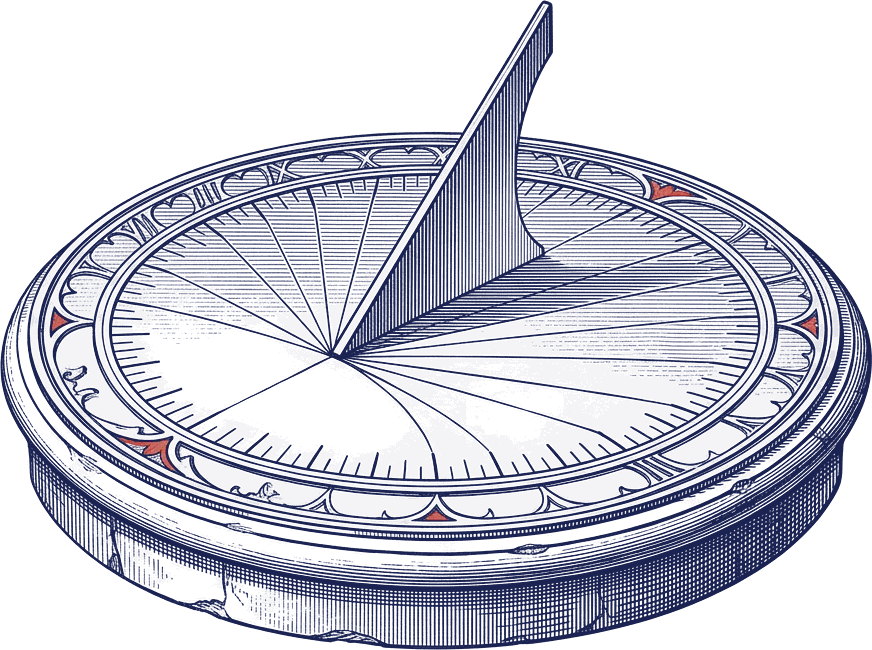
Inca calendar today
The Inca of the Andes kept time by watching the sun and the moon from Cusco. No Inca day count survives, so this page shows the Inca month that the chronicler Guaman Poma gave for the current month.
Aya Marq'ay Killa
AIA MARCAI Quilla
Month of carrying the dead
- In the Gregorian calendar
- Wednesday 11 November 2026
- This day began
- At midnight, as Wednesday 11 November 2026 begins
- This day ends
- At midnight, as Thursday 12 November 2026 begins
- Months
- 12, named after festivals and farm work
- Basis
- The moon for months, the sun for the year, watched from Cusco
- Source used here
- Guaman Poma, Nueva corónica y buen gobierno (c. 1615)
- Exact dates
- Not recoverable - no Inca day count has survived
How the Inca calendar works
Spanish chroniclers describe a year of twelve months. The chronicler Cieza de León wrote that the Inca counted the year, which they called "wata", in twelve moons. Twelve moons fall about 11 days short of a solar year, so the count had to be brought back in line with the sun. The Inca watched sunrise and sunset against pillars on the hills around Cusco to fix the time of the solstices and of planting.
Each month was named for its main festival or farm task, such as harvest, ploughing or the great feasts of the sun and the queen. Inti Raymi, the feast of the sun, marked the June solstice, which is midwinter in the Andes. The months below follow the list that Guaman Poma drew and labelled month by month in his chronicle. His list is not the same as other accounts: it places the feast of the lord sun, Qhapaq Inti Raymi, in December.
| Civil month | Inca month (modern spelling) | Meaning |
|---|---|---|
| January | Qhapaq Raymi, Samay Killa | The greatest feast; month of rest |
| February | Pawqar Waray Killa | Month of donning precious loincloths |
| March | Pacha Puquy Killa | Month of the maturation of the soil |
| April | Samay, Inka Raymi | The feast of the Inka (rest) |
| May | Hatun Kuski, Aymuray Killa | Great search; month of harvest |
| June | Hawkay Kuski | Rest from the harvest |
| July | Chakra Rikuy Chakra Qunakuy (Chawa Warkum Killa) | Month of the inspection and distribution of lands |
| August | Chakra Yapuy Killa (our modern spelling of Guaman Poma's CHACRA IAPVI Quilla) | Month of turning the soil |
| September | Quya Raymi Killa | The feast of the queen (quya) |
| October | Uma Raymi Killa | The principal feast, or festival of water |
| November | Aya Marq'ay Killa | Month of carrying the dead |
| December | Qhapaq Inti Raymi | The festivity of the lord sun |
Variants and the method used here
This page does not convert days. The Inca had no written day count that survives, the sun pillars around Cusco have not been found, and the chroniclers disagree. Modern scholars have proposed full reconstructions, such as Tom Zuidema's calendar based on the 328 shrines around Cusco, but these remain debated.
What we show is the Inca month that Felipe Guaman Poma de Ayala paired with each European month in his chronicle of about 1615. Other early writers give a different list: Cristóbal de Molina, for example, places the queen's feast, Quya Raymi, in August rather than September. Treat the month shown as Guaman Poma's version, not a fixed Inca date.
A short history
The Inca began a far-reaching expansion from Cusco in 1438, and the Spanish began their conquest in 1532. The last Inti Raymi held in the presence of the Inca ruler took place in 1535, after which the Spanish banned the festival.
Felipe Guaman Poma de Ayala, an Andean nobleman, wrote his Nueva corónica y buen gobierno between 1600 and 1615 as a letter to King Philip III of Spain. It runs to 1,189 pages, with 398 full-page drawings, including one for each month of the Inca year. The manuscript has been in the Royal Danish Library in Copenhagen since at least the 1660s. Since 1944, Inti Raymi has been staged again each year at Saqsaywaman near Cusco on 24 June.
Sources
How this site calculates the date: No Inca day count survives. Shown is the Inca month that Felipe Guaman Poma de Ayala paired with the European month in his chronicle of about 1615.